20 May 2026
InsightsSat-Nav for Garden Visitors
The Modern Visitor Experience in Public Gardens
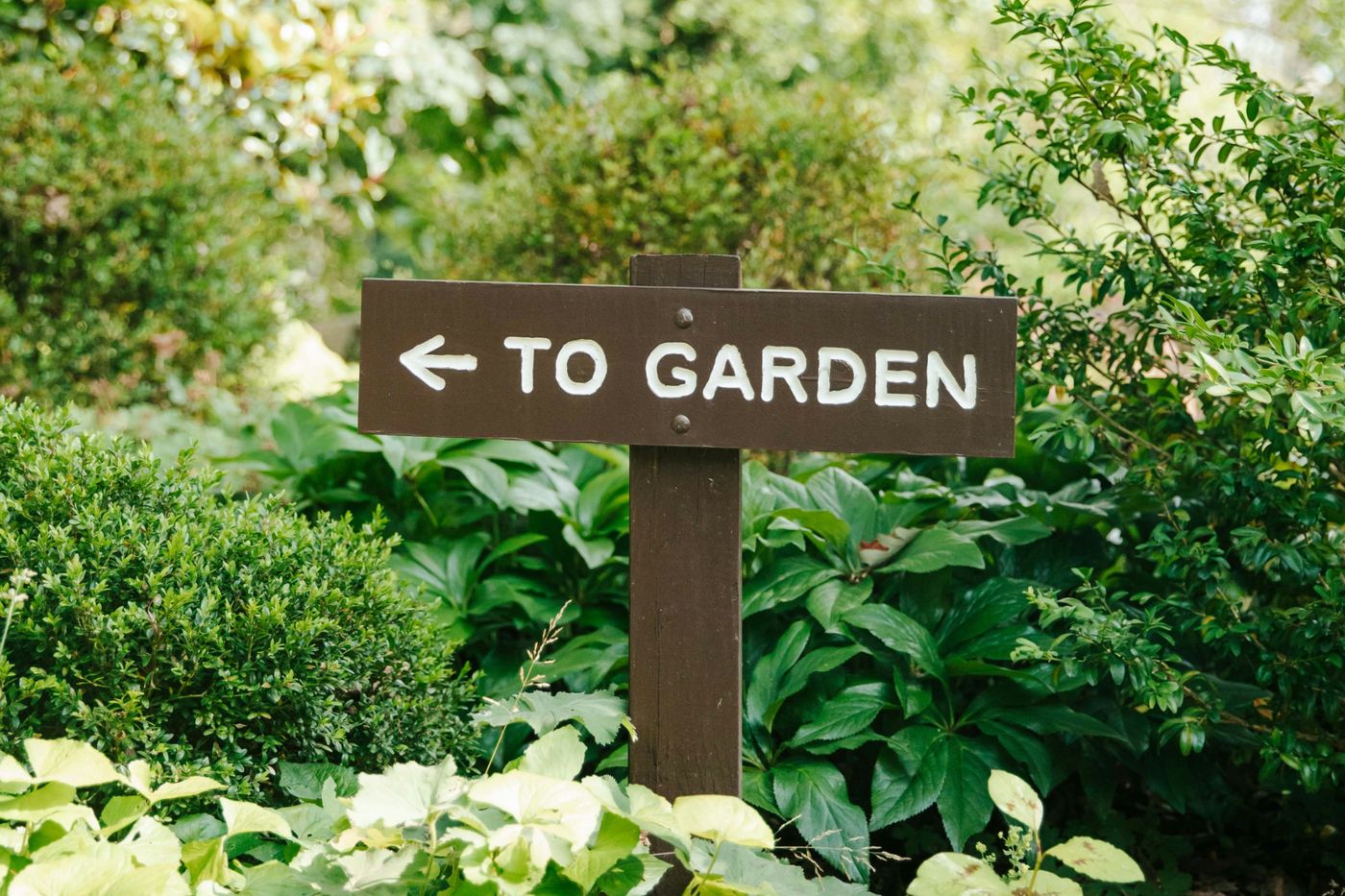
For generations, visitors have explored public gardens in much the same way. They arrive at the entrance, collect a paper map, glance at a welcome board, and begin wandering along pathways guided by signs, labels, curiosity and instinct.
And for many gardens, that experience still works beautifully.
But visitor expectations are changing.
Today’s visitors often begin their journey long before they arrive at the gate. They explore websites, browse photographs, check reviews, and search social media to decide whether a garden is worth visiting and when.
A modern garden visit no longer starts at the entrance. It starts online.
How Visitors Traditionally Explore Gardens
Most public gardens rely on a familiar collection of tools to help visitors navigate:
- Directional signs
- Printed paper maps
- Plant labels
- Interpretation boards
- Staff recommendations
- Memory and exploration
These methods are timeless and important. A well-designed sign system and carefully labelled plants create a sense of discovery and atmosphere that is part of the charm of visiting a garden.
But they also have limitations.
Paper maps become outdated. Visitors get lost. Labels are difficult to find or read. Seasonal highlights may already be over by the time someone visits. And many visitors leave without ever discovering some of the garden’s most interesting areas.
For large or complex gardens, navigation can become frustrating rather than relaxing.
The Modern Visitor Arrives With Expectations
Before visiting a garden today, many people will already have explored its website.
They want to know:
- What does the garden look like?
- What is flowering right now?
- When is the best time to visit?
- How large is the site?
- Are there hidden areas worth finding?
- Is it accessible?
- What plants or collections are special?
A visitor who sees beautiful spring magnolias online may arrive in midsummer expecting the same experience. Someone interested in autumn colour may accidentally visit too early. Another visitor may miss an extraordinary plant collection simply because they never found that section of the garden.
Websites often inspire the visit, but they rarely help guide the experience once visitors arrive.
This is where BotanicalMapper changes the relationship between gardens and visitors.
BotanicalMapper Extends the Garden Beyond Its Gates
BotanicalMapper allows gardens to present their spaces digitally before visitors even arrive.
Instead of a static website gallery, visitors can explore an interactive living map of the garden:
- Browse plant collections
- Discover seasonal highlights
- View photographs tied to exact locations
- Explore different garden areas
- Understand the layout before visiting
- Plan visits around flowering seasons or seasonal displays
This transforms the website from a simple information page into an experience in itself.
Visitors can begin building excitement before they arrive.
Planning Visits Around the Seasons
One of the biggest challenges for public gardens is that they are constantly changing.
A garden in April can feel completely different in July or October.
BotanicalMapper helps visitors understand this seasonal rhythm.
Gardens can showcase:
- Current highlights
- Peak flowering periods
- Autumn colour displays
- Rare seasonal events
- Areas currently looking their best
Visitors no longer need to guess when to come.
Someone passionate about camellias can visit during peak bloom. A photographer looking for autumn colour can time their trip perfectly. Families can discover when woodland bulbs or summer borders are at their best.
This creates more meaningful visits and encourages repeat visits throughout the year.
A Satnav for Gardens
Once visitors arrive, BotanicalMapper becomes something entirely new:
A satnav for gardens.
Visitors can simply scan a QR code at the entrance and instantly open an interactive garden map on their own device.
No app installation required.
As they walk through the garden they can:
- See where they are
- Navigate pathways
- Discover nearby plants
- Search for specific collections
- Find hidden features
- Read plant information
- Explore photographs
- Follow themed trails
- Locate facilities or exits
And if they get lost in a large garden?
They can immediately orient themselves and find their way again.
For visitors, this creates confidence and freedom. They can explore independently without feeling uncertain or overwhelmed.
Turning Exploration Into Discovery
Traditional garden visits are often passive.
Visitors follow the main route and only notice what happens to be directly in front of them.
BotanicalMapper encourages active exploration.
A visitor might discover:
- A rare tree hidden in a woodland corner
- A historic planting with an interesting story
- A seasonal highlight just beyond the next path
- A collection they would otherwise never have found
The garden becomes interactive.
Not in a way that replaces the physical experience, but in a way that deepens it.
Technology fades into the background while curiosity moves to the foreground.
Supporting Different Types of Visitors
Every visitor experiences a garden differently.
Some want peaceful wandering.
Others want education.
Some want photography locations.
Others are searching for specific plants.
BotanicalMapper allows gardens to support all of these visitors simultaneously.
It can help:
- Plant enthusiasts locate rare specimens
- Families follow child-friendly trails
- Garden designers study planting combinations
- Students learn plant identification
- Tourists explore confidently
- Mobility-impaired visitors plan accessible routes
The experience becomes more personalised without changing the physical character of the garden itself.
Enhancing, Not Replacing, the Garden Experience
Importantly, BotanicalMapper is not about replacing traditional garden experiences.
Signs, labels, printed maps, and human interaction still matter enormously.
BotanicalMapper simply connects them together into a richer, more connected visitor journey.
The physical and digital experiences support each other.
A visitor may first discover a plant online, locate it in the garden using their phone, then stand in front of the real specimen and read its label in person.
The technology leads them to the moment, but the garden still creates the emotion.
The Future of Garden Exploration
Public gardens are no longer just physical destinations.
They are living collections of stories, seasons, history, science, and discovery.
Visitors increasingly expect digital experiences that help them understand and explore these spaces more deeply.
BotanicalMapper allows gardens to meet those expectations while preserving the atmosphere and beauty that make gardens special in the first place.
It helps visitors:
- Plan better visits
- Explore with confidence
- Discover more plants
- Learn as they walk
- Return in different seasons
- Feel connected to the landscape around them
In many ways, BotanicalMapper is not just a mapping system.
It is a new way of experiencing gardens.